Most commercial leases let you assign, underlet or carry out alterations only with landlord consent, and the licence decides what you remain liable for afterwards. We make or answer the application, negotiate the conditions and settle the licence to assign, licence to alter or licence to underlet to agreed form, at a fixed fee with no VAT.
Handled entirely in writing. No hearings, no meetings, no attendance required.
Prefer WhatsApp? Message us
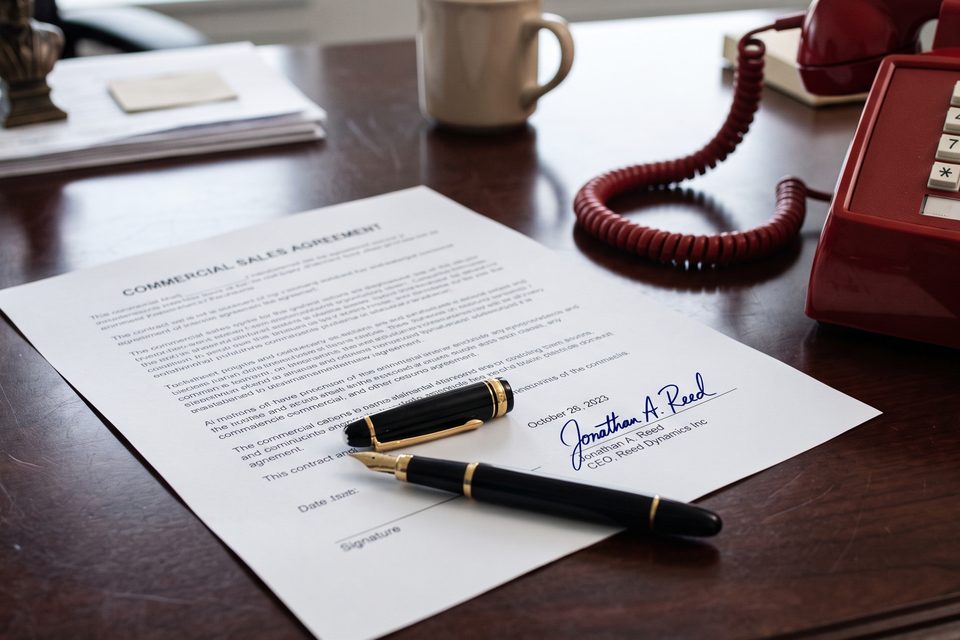
A licence to assign, a licence to underlet and a licence to alter (also called a licence for alterations) are all the landlord's written consent under the lease. Statute limits how that consent is given or refused.
Where the lease allows assignment or underletting with consent, section 19(1)(a) of the Landlord and Tenant Act 1927 implies that consent is not to be unreasonably withheld. For improvements, section 19(2) does the same, while letting the landlord ask for a reasonable sum for damage or loss in value and, where reasonable, reinstatement.
Once a written application is served, section 1(3) of the Landlord and Tenant Act 1988 requires consent within a reasonable time unless it is reasonable to refuse, with written notice of the decision and any conditions or reasons. The burden of showing reasonableness is on the landlord (section 1(6)).
For new tenancies under the 1995 Act (broadly, leases granted on or after 1 January 1996), consent to assign can lawfully be made conditional on an authorised guarantee agreement. It cannot guarantee anyone but the assignee, or reach beyond the time the assignee is released (Landlord and Tenant (Covenants) Act 1995, section 16(4)).
Searching for a license to assign? In English law it is spelled licence, and it is the same document. The full lease fee schedule is on the commercial lease solicitor page.
Written advice within 24 hours of instruction. Trademarks filed within 48 hours of instruction. Documents in days, not weeks. Never "3 to 5 business days" just to hear back.
| Item | What it covers | Fee |
|---|---|---|
| Licence to assign, underlet or alter, advised and negotiated | Consent terms advised and negotiated with the landlord or tenant to agreed form; where the licence is a deed, an instructed authorised solicitor prepares it. | from £850 |
| Licence to occupy, drafted or reviewed | Short term occupation without granting a tenancy: exclusivity, termination, and the drafting that keeps it a licence rather than a lease by accident. | from £550 |
Your fixed fee is confirmed in writing once I have seen your document. Pay within 24 hours of that confirmation for the reduced fee.
Bespoke and urgent matters outside the schedule: £650 per hour, capped estimates given in advance. Corporate retainers from £995/month.
Your lease, the landlord's draft licence or the request you want to make, and the details of the incoming tenant or the proposed works.
I read it and confirm the fee in writing before any work starts. Pay within 24 hours of that confirmation for the reduced fee.
We make or answer the application, negotiate the conditions and settle the licence. Where the licence is a deed, an instructed authorised solicitor prepares it.
A licence to occupy lets a business use premises for a short period without being granted a lease. What decides whether it works is the substance, not the label: an occupier who in fact has exclusive possession for a term at a rent is likely to be a tenant, whatever the document calls it (Street v Mountford [1985] UKHL 4).
We draft or review licences to occupy from £550, so that the terms and the way the space is actually used match. More in our guide, licence to occupy or lease.
If the lease prohibits it outright, yes. If it allows assignment or underletting with consent, section 19(1)(a) of the Landlord and Tenant Act 1927 implies that consent is not to be unreasonably withheld. For new tenancies under the Landlord and Tenant (Covenants) Act 1995 (broadly, leases granted on or after 1 January 1996, section 1(3)), the parties can agree in advance the circumstances in which consent to assign may be withheld (section 19(1A)).
Once you serve a written application, section 1(3) of the Landlord and Tenant Act 1988 requires the landlord, within a reasonable time, to give consent unless it is reasonable not to, and to serve written notice of the decision with any conditions or reasons. The Act does not set a number of days, and the burden of showing reasonableness is on the landlord (section 1(6)).
If the lease prohibits alterations without consent, yes. For alterations that are improvements, section 19(2) of the 1927 Act implies that consent is not to be unreasonably withheld, while letting the landlord ask for a reasonable sum for damage or loss in value and, where the improvement does not add to the letting value and it is reasonable, an undertaking to reinstate.
A guarantee by the outgoing tenant of its assignee's performance, given because consent was lawfully made conditional on it. Section 16 of the Landlord and Tenant (Covenants) Act 1995 sets its limits: it cannot cover anyone other than the assignee, or any time after the assignee is released (section 16(4)).
Usually the tenant, under the lease. Section 19(1)(a) of the 1927 Act preserves the landlord's right to require a reasonable sum for legal or other expenses incurred in connection with the consent.
No. We do not act on the grant or assignment of a lease for a premium.
No. Everything is handled in writing, by email or WhatsApp: you send the documents, the fee is confirmed in writing, and the work comes back in writing. Replies within the hour in business hours.
Send a brief outline of your matter. You will receive a personal reply from a solicitor, with a fixed-fee quote where the scope is clear. Payment is taken before work begins; every fee is fixed in writing first.
 UK · EU · US · International