A letter before action sets out the debt, the basis on which it is owed, what is claimed including interest and recovery costs where they apply, and a deadline. It is the step the court expects before proceedings, and it is the step at which most commercial debts are paid. From £595, agreed in writing before any work begins, including the statutory interest and recovery costs calculation and the next step mapped if they do not pay.
Handled entirely in writing. No hearings, no meetings, no attendance required.
Prefer WhatsApp? Message us
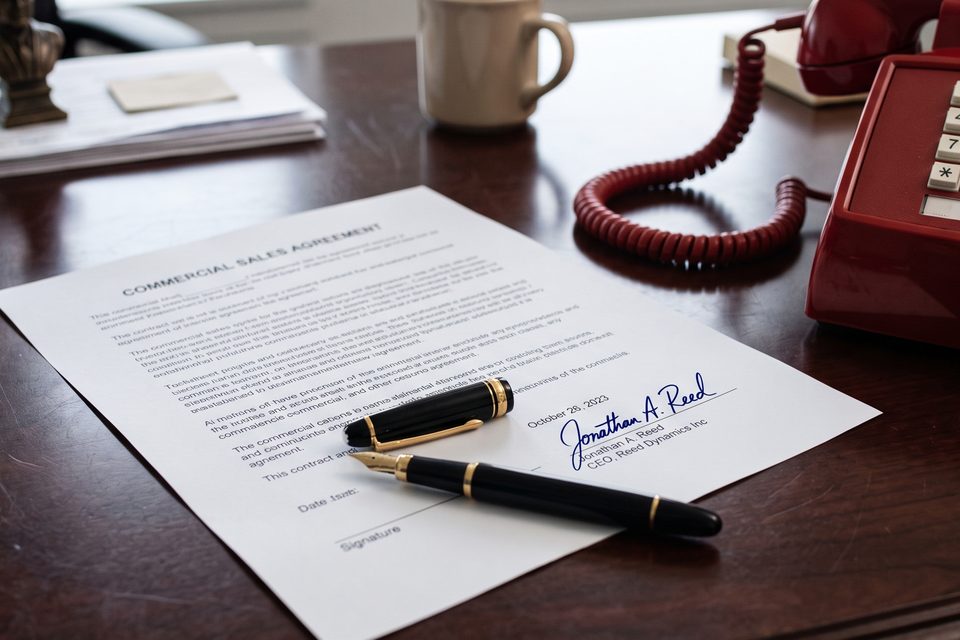
A letter before action is not a chasing email on headed paper. It is the document a court would expect to see, and it is written knowing that it may be read by a judge later.
Invoice numbers, dates, sums, and the contract or course of dealing that created the obligation.
Contract, unjust enrichment, or statute, identified rather than implied.
Claimed where the Late Payment of Commercial Debts (Interest) Act 1998 or your own terms allow it.
Payment in full by a date, or a proposal to be responded to, with no ambiguity about what closes the matter.
Usually fourteen days for an undisputed business debt, with the consequences of silence spelled out.
Written to meet the pre action conduct expectations, so it strengthens your costs position rather than weakening it.
The opening letter sets the frame everything afterwards is measured against. A letter that evidences the debt and states a clear basis tells the recipient and their adviser that the claim has been thought through, and that ignoring it is more expensive than paying.
A letter that expresses frustration without evidence does the reverse. It signals there is nothing behind it, and it becomes a document read back to you.
That is why the fee includes the assessment. We look at what you are actually owed, on what basis, and what is realistically recoverable, before anything is sent. There is no separate charge for finding that out.
Do not reply on the merits until you have taken advice. Acknowledge receipt if a response is genuinely required, note the deadline, and stop there. Replies written in frustration are quoted back at you, and an admission made casually is very hard to withdraw.
A letter before action is a demand, not a claim. You have time to respond properly. The reply that protects you sets out the dispute, the payment position or the proposal, in terms that hold up if proceedings follow.
A statutory demand is different and the clock is short. It is a formal insolvency step, and where the debt is genuinely disputed on substantial grounds it should not have been used at all. That is a point to make quickly and in writing rather than after the deadline.
We draft the response at a fixed fee of £345, agreed before any work begins. If the sensible answer is to negotiate rather than fight, we say so.
Our work is the letter, the pre action correspondence and the negotiation, delivered in writing at fixed fees agreed before anything starts.
Issuing a claim, and any insolvency proceeding that might follow, is conduct of litigation. It is referred to instructed counsel or litigation solicitors at that gate, with the file fully prepared. We do not promise petitions or winding up, because they are not ours to promise.
Where the debt is undisputed and the recipient is a company, a statutory demand is a separate instrument with its own consequences, and we advise on whether it is appropriate before it is used.
Written advice within 24 hours of instruction. Trademarks filed within 48 hours of instruction. Documents in days, not weeks. Never "3 to 5 business days" just to hear back.
| Item | What it covers | Fee |
|---|---|---|
| Letter before action | The letter itself, the statutory interest and recovery costs calculated and claimed, a deadline set, and the next step mapped in writing if they do not pay. The debt evidenced, the contractual or statutory basis stated, on solicitor letterhead. | from £595 |
| Follow up and final demand | Where the first letter is ignored, the escalation that puts the recipient on notice of the next step. | £195 |
| Response to a letter before action | You have received one. The reply that protects your position, whether the answer is dispute, part payment or a negotiated route out. | £345 |
| Negotiation and settlement correspondence | The exchange run to a documented conclusion, with the payment terms and releases drafted so the deal holds. | from £495 |
Your fixed fee is confirmed in writing once I have seen your document. Pay within 24 hours of that confirmation for the reduced fee.
Bespoke and urgent matters outside the schedule: £650 per hour, capped estimates in advance.
A formal written demand from a solicitor that sets out the debt, the basis on which it is owed, what is claimed and by when. It is the step the Civil Procedure Rules expect a claimant to take before issuing proceedings, and in commercial matters it is the step at which most debts are paid.
Most commercial debtors pay or engage. The letter changes their calculation, because it signals that the next step is real and that the cost of ignoring it is now visible. A letter you write yourself reads as a complaint. A solicitor's letter reads as a step before proceedings.
Often yes. Where the debt is a commercial contract between businesses, the Late Payment of Commercial Debts (Interest) Act 1998 gives a statutory right to interest and a fixed sum for recovery costs, unless the contract provides a substantial remedy of its own. We tell you which basis applies to your debt before the letter goes.
Usually fourteen days for a business debt where the sum is not disputed, longer where the matter is complex or the recipient is an individual. Setting a deadline that is too short undermines the letter and can be criticised later.
Then the pre action stage is doing its job. A genuine dispute changes the route entirely, because pursuing a disputed debt through insolvency style pressure is inappropriate and can be costly. We advise on the realistic position before escalating.
No. Our work is the letter, the pre action correspondence and the negotiation. Issuing a claim is conduct of litigation and is referred to instructed counsel or litigation solicitors at that gate, with the file fully prepared. Most matters conclude before that point.
Do not reply on the merits before taking advice. Acknowledge receipt if a response is due, note the deadline, and get the position assessed. A reply written in frustration becomes evidence, and an admission made casually is difficult to withdraw.
From £595 for the letter, agreed in writing before any work begins. That includes the statutory interest and recovery costs calculation, the deadline, and the next step mapped in writing if they do not pay. No VAT is charged.
Send a brief outline of your matter. You will receive a personal reply from a solicitor, with a fixed-fee quote where the scope is clear. Payment is taken before work begins; every fee is fixed in writing first.
 UK · EU · US · International