At the end of a lease the landlord's surveyor prices every repair and reinstatement item in a schedule of dilapidations. What the law lets the landlord recover is often far less: damages are capped at the loss in value of the landlord's interest, and the Dilapidations Protocol sets the steps both sides are expected to take before anyone issues a claim. We advise tenants and landlords on a dilapidations claim, in writing, through those steps.
Handled entirely in writing. No hearings, no meetings, no attendance required.
Prefer WhatsApp? Message us
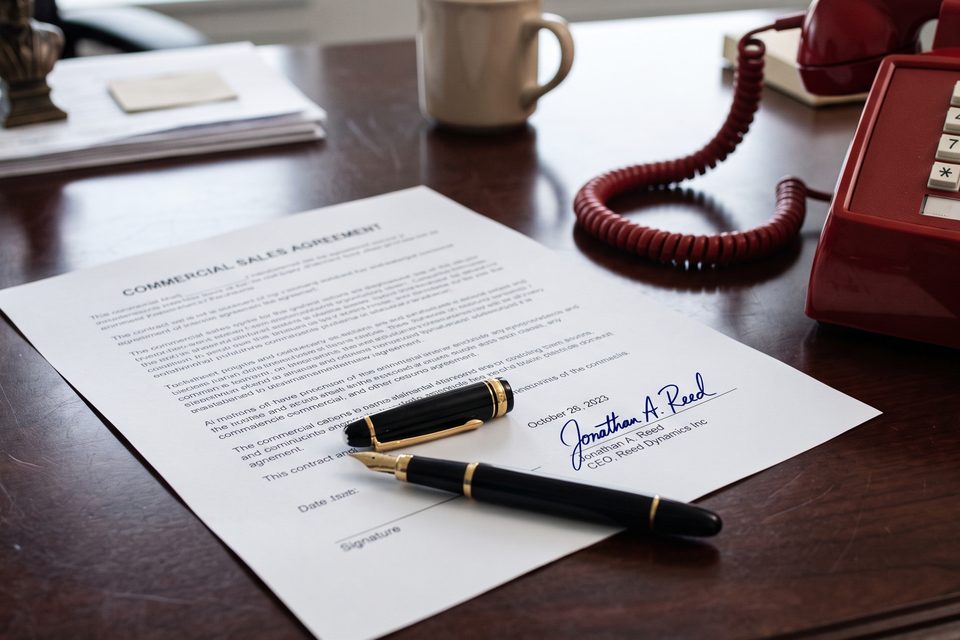
A schedule of dilapidations lists the repair, reinstatement and decoration the landlord says the lease requires. Three things limit what a terminal dilapidations claim is actually worth.
Damages for breach of a repairing covenant cannot exceed the amount by which the value of the landlord's reversion is diminished, and nothing is recoverable for failing to leave premises in repair if they are to be pulled down or so altered that the repairs would be valueless (Landlord and Tenant Act 1927, section 18(1)).
The Dilapidations Protocol expects the schedule generally within 56 days after the tenancy ends, the Quantified Demand within the same time, and the tenant's response usually within 56 days of the demand (paragraphs 3.3, 4.2.3 and 5.2).
Before issuing proceedings the landlord is expected to quantify its loss with a formal diminution valuation, an account of what it actually spent, or both (Dilapidations Protocol, paragraph 9.1).
The covenants that matter are in the lease and any licences, so the review starts there; see also commercial lease review.
Written advice within 24 hours of instruction. Trademarks filed within 48 hours of instruction. Documents in days, not weeks. Never "3 to 5 business days" just to hear back.
| Item | What it covers | Fee |
|---|---|---|
| Commercial: renewal, dilapidations, forfeiture advice | The contentious side of the commercial lease practice, quoted per matter. | from £850 |
Your fixed fee is confirmed in writing once I have seen your document. Pay within 24 hours of that confirmation for the reduced fee.
Bespoke and urgent matters outside the schedule: £650 per hour, capped estimates given in advance. Corporate retainers from £995/month.
The lease, any licences, the schedule of dilapidations or Quantified Demand, and the correspondence so far.
I read it and confirm the fee in writing before any work starts. Pay within 24 hours of that confirmation for the reduced fee.
Liability item by item, the section 18 position, and the response or demand written to the Dilapidations Protocol timetable.
For tenants: the schedule is checked against the lease covenants and the condition you took the premises in, each item admitted or disputed with reasons, the section 18 cap applied, and the protocol response written so that your position is on record before any meeting.
For landlords: the surveyor's schedule is checked against the lease before it is served, the Quantified Demand settled, and the protocol timetable set, so that the claim you make is one you can stand behind. The fee for either side is from £850, fixed in writing once the papers are seen.
The Dilapidations Protocol says within a reasonable time, generally within 56 days after the tenancy ends (paragraph 3.3), with the Quantified Demand sent within the same timescale (paragraph 4.2.3).
A reasonable time, which the Protocol says will usually be within 56 days after the landlord sends the Quantified Demand (paragraph 5.2).
Not automatically. Section 18(1) of the Landlord and Tenant Act 1927 caps damages for breach of a repairing covenant at the diminution in the value of the reversion, and a claim for terminal repairs fails if the premises are to be pulled down or so altered that the repairs would be valueless.
The Protocol expects a detailed breakdown of the issues and losses based on a formal diminution valuation, an account of actual expenditure, or both, unless that would be unreasonable (paragraph 9.1).
The Protocol encourages the parties or their surveyors to meet on a without prejudice basis, generally within 28 days after the tenant's response (paragraph 7.1). Our own part is handled in writing.
No. Schedules and diminution valuations are surveyors' work, and any claim in court goes to instructed counsel or litigation solicitors. We check the schedule against the lease, advise on liability and the section 18 cap, and write the protocol correspondence.
No. Everything is handled in writing, by email or WhatsApp: you send the documents, the fee is confirmed in writing, and the work comes back in writing. Replies within the hour in business hours.
Send a brief outline of your matter. You will receive a personal reply from a solicitor, with a fixed-fee quote where the scope is clear. Payment is taken before work begins; every fee is fixed in writing first.
 UK · EU · US · International